
Paleo Diet; and Fermenting, Juicing and Dehydrating Food – read Emma’s latest exciting news!
GAPS Cooking DVD
I have had such a busy May full of learning that I wasn’t quite sure what to share with you so I thought I would share a small amount of everything!! Everything started after I was greatly inspired by the GAPS Cooking DVD. It is a brilliant DVD for those of you who need inspiration in the kitchen!
Paleo Cookery Demonstation
At the beginning of May I went on a ‘Paleo Diet Cookery Demonstration’ in London. For those of you who don’t know, the Paleo diet is the ‘caveman’ diet. It is very similar to the Full-GAPS diet. It recommends that people eat lots of wonderful grass-fed organic animal products, fresh fish and plenty of vegetables (of course!!). The only difference between the two is the Paleo Diet recommends that all dairy (except eggs) is avoided. According to Loren Cordain who wrote “The Paleo Diet”, this is the only diet to fit our genetic make-up because it is the way our distant ancestors ate. Many of my colleagues are recommending this way of eating for people whose health is severely compromised.
So, what did I learn? The recipe that stuck in my mind most was a delicious grain-free muesli. This is a brilliant alternative to ordinary muesli when people are struggling with breakfast ideas. It is also great snack which you can take with you to nibble on. Keep your eyes on the recipe section on my website because I will be writing up an adapted version.
Another amazing thing we were shown was how tiny florets of cauliflower can be used instead of rice or couscous. Cauliflower is so versatile that it can be cooked and creamed in order to replace mashed potato. Why not try it! I am cooking it for my guest’s tomorrow evening!
Fermenting workshop
The following week, I went to a fermenting workshop lead by the world expert, Sandor Ellix Ksatz. Before we owned fridges, fermenting was a way of 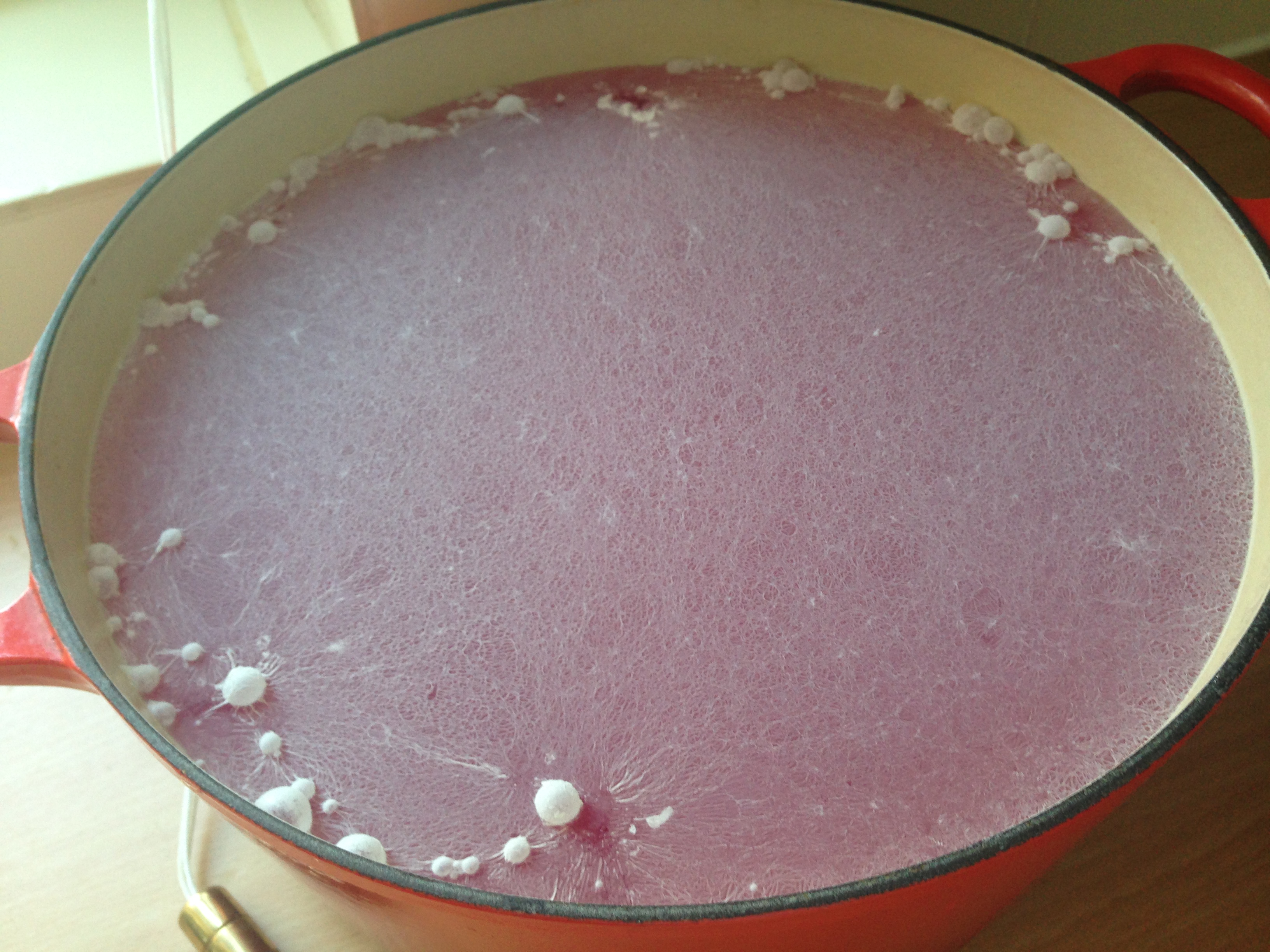
 preserving foods and therefore eaten daily. Fermented foods are full of beneficial bacteria (probiotics), a wonderful healing food for our digestive tract. A word of caution, fermented foods are high in histamine and cannot be tolerated by people with a histamine intolerance.
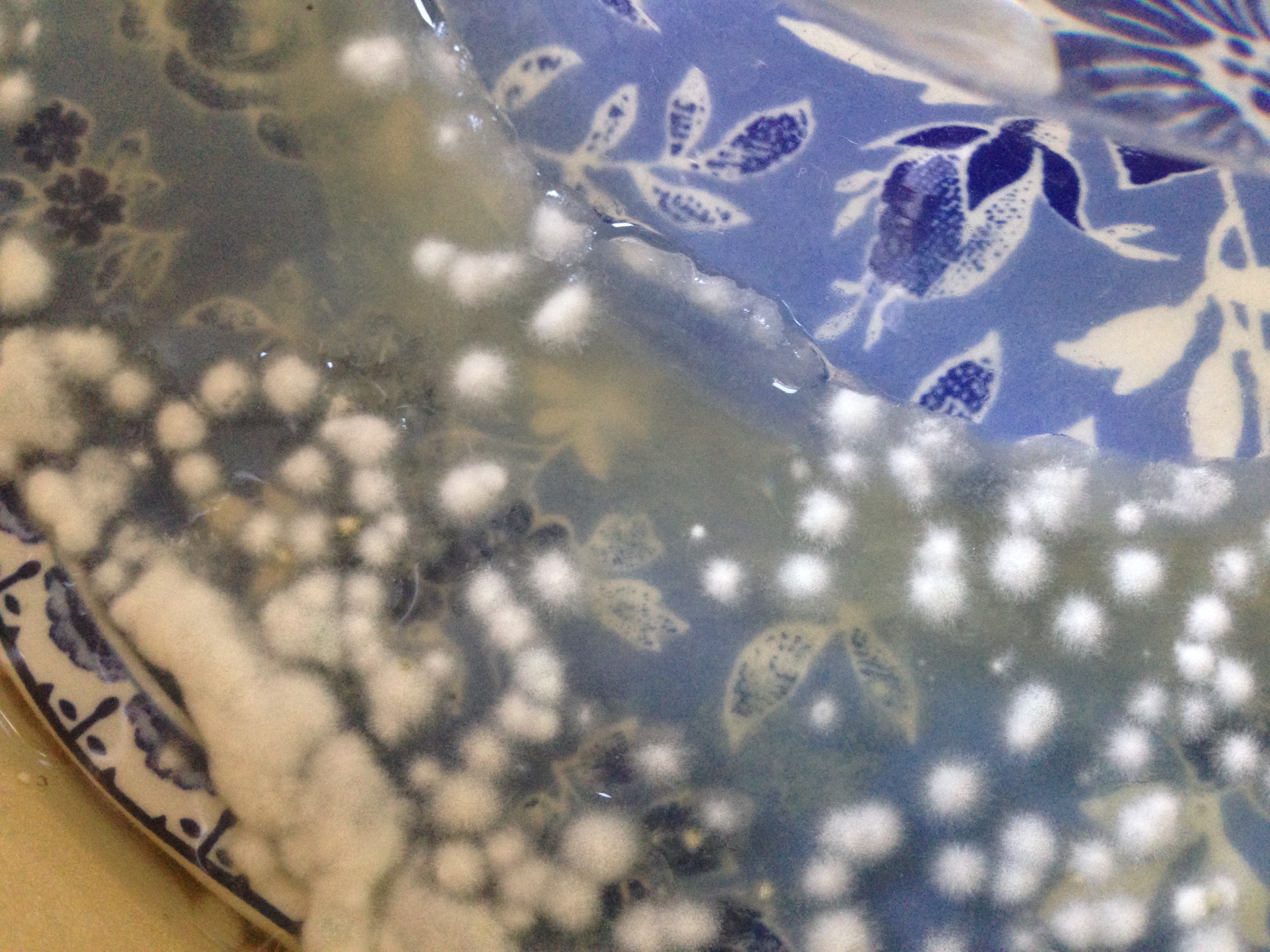
You will be amused to see here some of my fermenting attempts before I went on the course. Practising before I went was a wonderful way to be able to discuss what went wrong and why. I was told that white mould on the top of the water is fine, should not harm the vegetables underneath and can be scrapped off the surface. It is the taste of the vegetables that is important. While we were there, together we all started the process of fermenting a vegetable medley. We were able to take 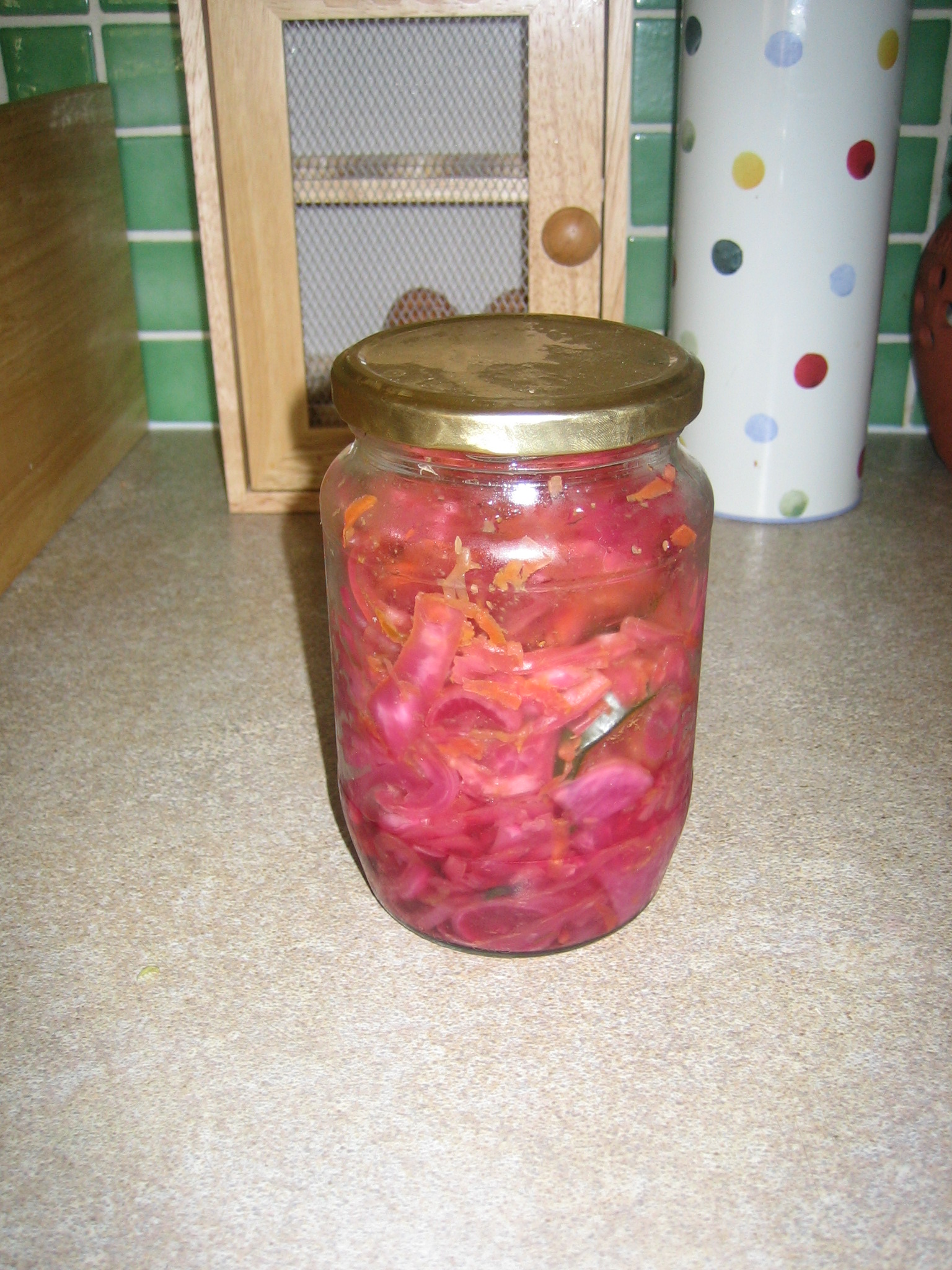 home a jar of these vegetables and this is the result after fermentation at home. I am still enjoying a small amount of them daily knowing that they are doing wonders for my digestive tract.
My new juicer and dehydrator
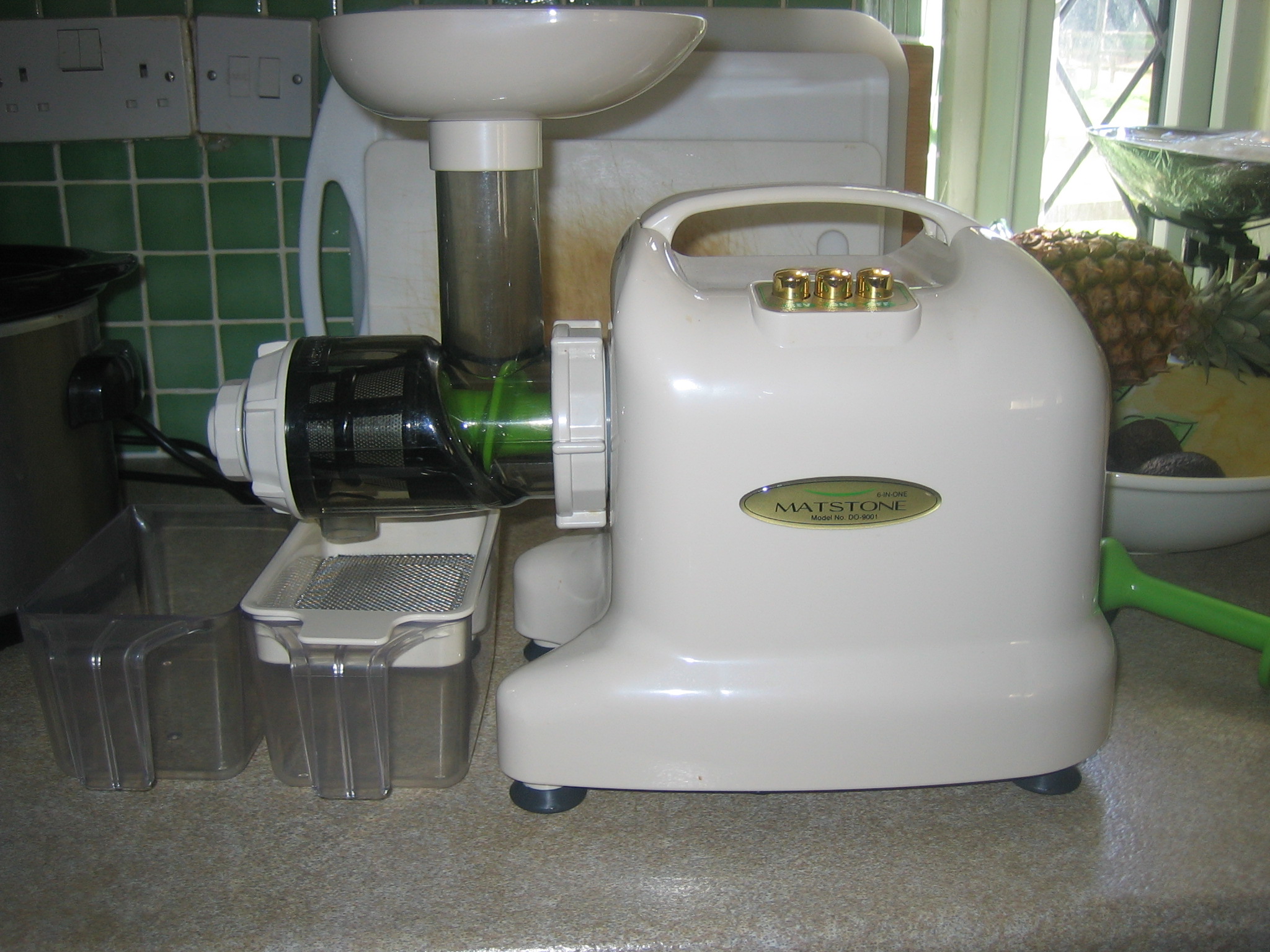 At about the same time, I invested in a juicer and a dehydrator. I chose to buy a ‘masticating’ juicer which grinds the juice out of the vegetables thereby preserving the precious enzymes in the vegetables which are so beneficial to our health. I have been thinking of juicing vegetables for a long time but have been put off firstly, by the expense and secondly, by cleaning the juicer after use. The first hurdle was overcome by ordering a ‘juicing box’ from my local organic farm which costs only £14 per week. From this weekly box, I can make 2 juices a day. Secondly, the Matstone Juicer is SO easy to clean. My husband and I have been enjoying a combination of different juices almost every day. You will find some of these delicious juices in the recipe section of my website.
We have also been using our juicer to make some delicious fruit sorbets. By freezing fruit and then putting it through the juicer, one ends up with the smoothest sorbet – a wonderful pudding in this warm weather.
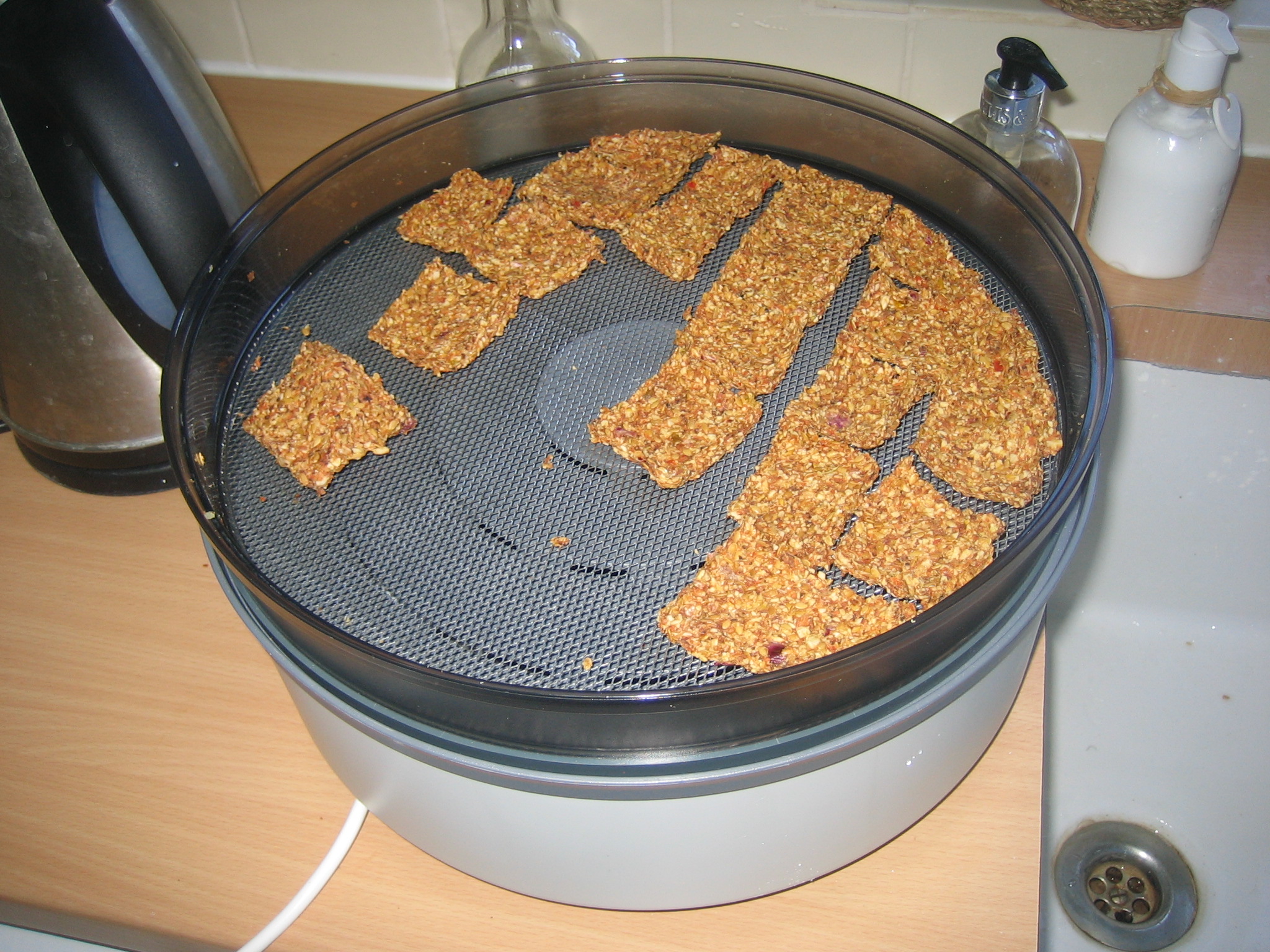 I am so excited to have made our first ‘crackers’ using our new dehydrator. One of the difficulties I have found on the Full-GAPS diet is what to snack on when everyone else can eat oat- and rice cakes! The joy of these crackers is that the base is made from carrot pulp left over from our juicing – a brilliant way to ensure nothing is wasted! “The Complete Book of Raw Food” has some wonderful dehydrating recipes. My husband is particularly thrilled because at last he can make biltong in the UK (yes, you may have guessed, he is from South Africa!)
Latest book review![gaps-stories-book-stack-e1355578685538[1]](https://emmamaitland-carew.co.uk/wp-content/uploads/2014/06/gaps-stories-book-stack-e13555786855381.png)
Finally, I have just finished reading GAPS stories which is a book of incredible testimonies from GAPS patients. It is such an encouraging book, I loved every page!


