Exposing Hidden Toxins
Many people suffer with issues relating to chronic fatigue, digestion problems, brain fog and poor gut health and many of these issues can be strongly related to Multiple Chemical Sensitivity or Toxic Overload. In this blog I will look at how our environment at home and at work can contribute to a toxic overload.
A healthy home environment is vital to a person’s well-being. Unfortunately, our homes are often full of toxins from everyday household items like paint, cleaning products, hair spray, dry-cleaned clothes, fresh paint fumes or new furniture odours. Common household toxins include formaldehyde, benzene, and trichloroethylene, all of which are linked to adverse health effects. Further toxins can be found in the food we eat in the form of pesticides on vegetables and fruit commonly known as the ‘dirty dozen’. You can see this list on my website.
A friend of mine once described toxic overload as ‘a massive traffic jam or multi-car pile-up in the cells and the liver’. The immune reaction normally starts with inflammation, and then can lead to cell and DNA damage and then a whole cascade of health problems. Her description of this kind of ‘traffic jam’ has stuck with me:
You’ve got four lanes of traffic going down the motorway, and then you get a multi-car pile-up and you’ve only got the hard shoulder to go down. You’ve just got this end result for miles and miles and miles. I feel that’s a good analogy of what happens in the cells and the liver. [An] excess build-up of toxins literally systematically poisons them. The immune reaction normally starts with inflammation, and then over time, that can lead to cell and DNA damage and then a whole cascade of adverse health systems that might arise from that.
How clean is your air?
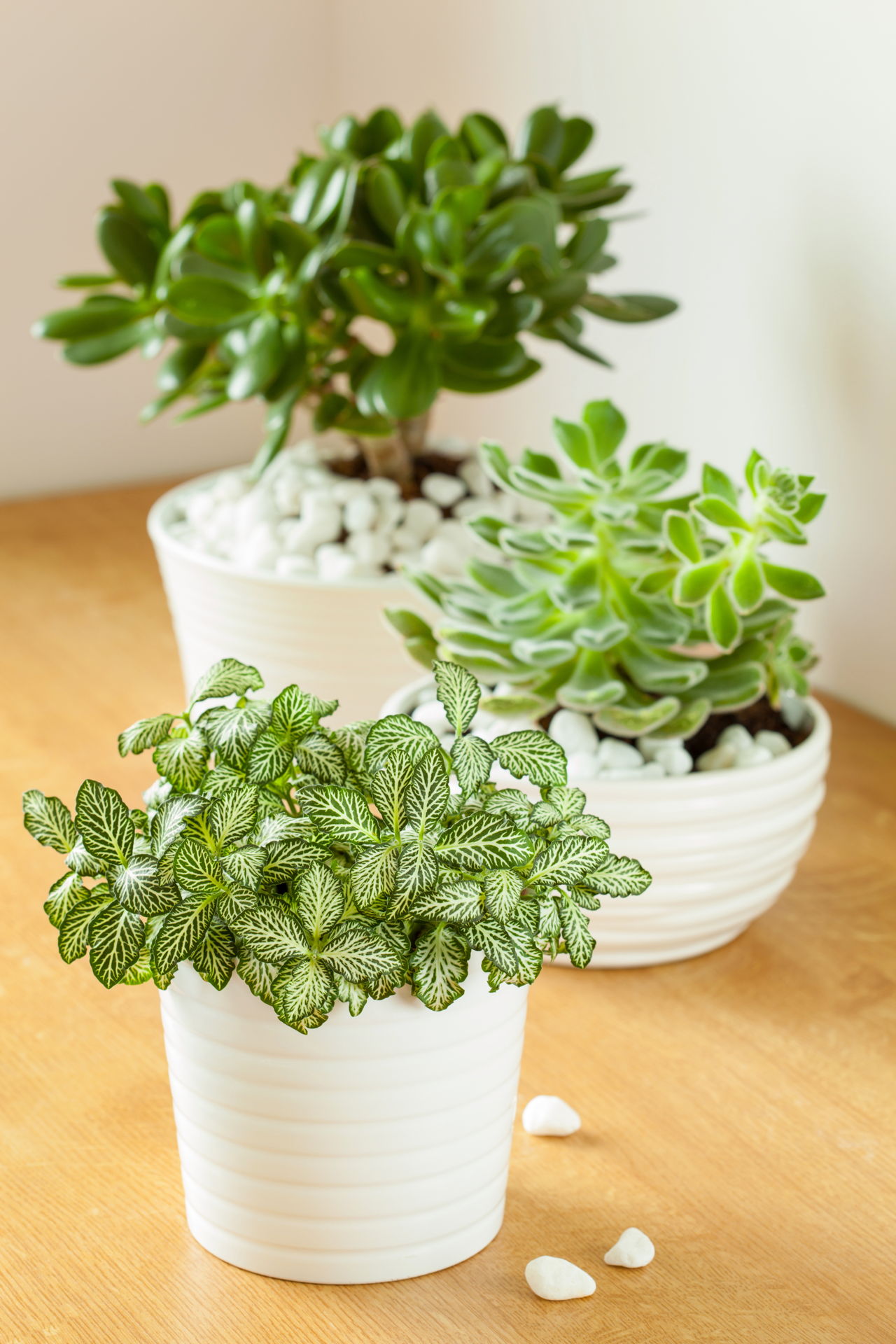
Do you know having plants such as cacti, succulents, ferns and palms can clean the air, help you get a good night’s sleep, reduce stress and anxiety, help you get well soon and boost your brain power? Plant respiration means plants take in dangerous pollutants in the air and release clean oxygen. The bigger the plant and the bigger the leaves, the better its ability to purify and remove toxins from the air. And of course, beautiful plants such as the flamingo lily or peace lily bring great joy and wellbeing into your life as well!
In fact, NASA did a Clean Air Study study in the late ’80s on plant abilities to purify the air by removing benzene, formaldehyde, trichloroethylene, xylene, and ammonia from our surroundings. The study found that houseplants, especially the peace lily, contribute to healthy home environments more than you might think. NASA recommended that you have at least one plant per 10 square meters. You can read more about the NASA Clean Air Study here NASA Clean Air Study – Wikipedia
The Areca palm is considered to be one of the best of the best houseplants for clean air, along with Aloe Vera, which gives off oxygen during the evening. You might like to read The Healing Power of Plants for more reading on this topic!
Does damp or mould affect your health?
Did you know that if you have damp and mould in your home, you are more likely to have respiratory problems? Some recurring problems such as allergies, asthma, dizziness, eye irritations or ongoing respiratory infections can be caused by touching or inhaling mould spores. Sometimes an allergic reaction to mould may seem like hay fever: sneezing, a runny nose, a tight chest, red eyes, throat irritation and skin rash. However, damp and mould have the potential to negatively affect the immune system far more than hay fever. Mould issues are also linked to problems with the thyroid and autoimmune diseases.
Mould is most often found in damp and poorly ventilated buildings, and the most dangerous type of mould is “black mould” (Stachybotrys chartarum), which is very easy to spot and produces toxic spores.
Mould caused many health problems for me personally. When we went into lockdown last March I begun to get five migraines per week. At first I thought that it was sitting in front of my computer for too long, then I wondered if it was something I was eating. I even considered EMF radiation. I went away twice between March and September and each time I went away I felt better. This was when I realised it was nothing to do with what I was eating, but something in our home! Then I discovered that our downstairs cupboard had a leak and was full of mould. My husband went to the trouble of sealing all the pipes carefully, and clearing the mould and I have almost been migraine free since!
Interestingly, I did a stool analysis towards the end of last year and was slightly horrified by the microbiome imbalance in my gut. If you have gut issues that will not shift and you are on a good healthy diet, it can be worth considering a mould issue in your home. Since then I have become much more aware with my clients. A client of mine has a similar story. She had been suffering with terrible hives (inner itching all over) and when she sealed off her mouldy basement, the itching stopped. Another young client who has neurodegeneration due to a head injury has had to move home because the mould in her home was causing her to have regular relapses.
After my mould exposure, I bought an Infrared red sauna as these are one of the best ways to detox but you must remember to drink plenty of water and take an electrolyte supplement if necessary.
To reduce any damp or mould problems, you should also make sure to
- Fix water leaks immediately.
- Repair or replace windows where moisture collects on the frame and sill.
- Use appropriate ventilation, particularly in bathrooms, laundries and kitchen areas.
- Use exhaust fans or open windows when showering or bathing.
- Use cleaning products that kill mould (bleach or vinegar is effective)
How pure is your water?
The body is made of approximately 66% water. Water is vital to the body because it is needed in every biological process, chemical reaction and mechanical action. Did you know most people wait to feel thirsty before drinking water? But actually thirst lags behind the body’s actual needs for water. Every-day the body loses approximately 2.8 litres of water through sweating, exhaling, passing urine and bowel movements. For the body to function properly, this water needs to be replaced through water-containing drinks and foods.
What is the quality of the water we drink every day? We know there are traces of chemicals such as chlorine, fluoride, pesticide and herbicide residues, and pharmaceutical drug residues are found in our tap water. Although these levels of toxins are considered to be safe, over the long term they accumulate in the tissues of the body and can cause long-term health problems.
Here are some ways of purifying tap water Water Filter Shop at home yourself:
- Boiling – This reduces chlorine content but is not effective in reducing other toxic chemicals.
- Reverse osmosis – This is one of the most powerful methods for purifying water. Virtually all chemicals are removed from the water, including all the minerals. These are available as a table-top or a plumbed-in units costing about £300.00. The disadvantage is that to treat an amount of water, it uses 3 times that amount.
- Distillation – Distillation removes virtually all the chemicals and minerals from the water. Distillation systems are available as table-top or plumbed-in units.
With every blessing,
Emma
Emma Maitland-Carew – Registered Nutritional Therapist
Dip.ION, mBANT, CHNC Registered Practitioner,
Metabolic Balance® Coach, HeartMath Coach.