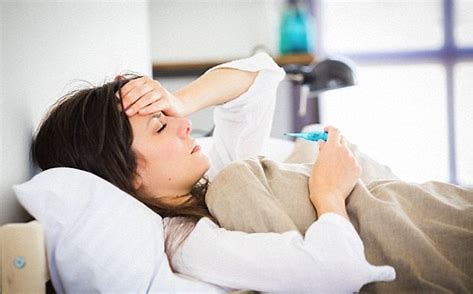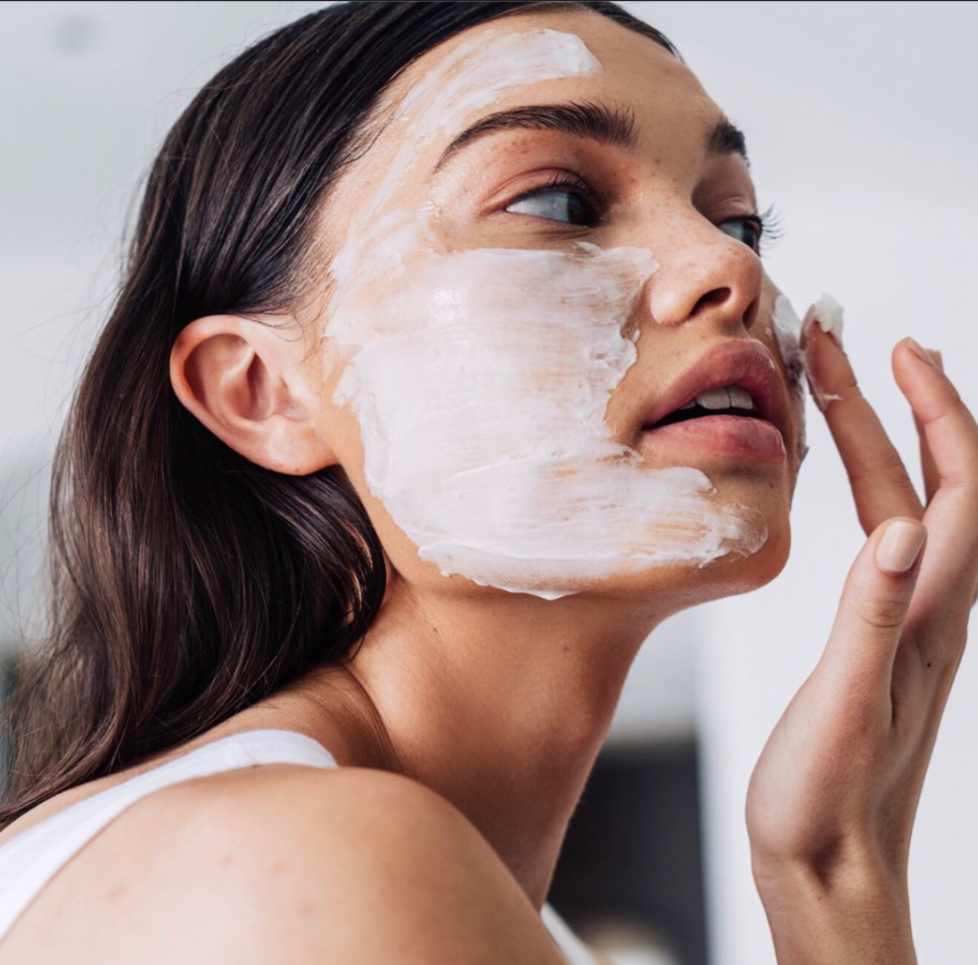
Toxic Toiletries: Are my toiletries making me ill?
It is a fascinating part of my job to see clients who struggle with ill-health for years start to make healthy changes to lifestyle and nutrition and find that one or two specific changes suddenly catapult them on their recovery journey to full health. Of course, it is all the healthy changes combined which work together, but fascinatingly, one or two key changes can make all the difference. And these changes are different for different people.
Recently one of my clients had this breakthrough moment when she asked the question ‘are my toiletries making me ill?’ She had been fighting fatigue and brain fog and suffering from nagging chronic illness symptoms and general malaise. We looked through the ingredients of the products she was using and I made some recommendations which she followed, including throwing out all the old products. This made a massive difference in her journey to full health.
This prompted me to re-visit some of my previous and do a bit more research into the hidden dangers of the everyday products we use that can cause an underlying decline in our overall health. I am excited to share this with you in this blog.
What should I look out for?
Sodium Lauryl Sulfate (SLS) – found in personal products that have a foaming action and is a major irritant for skin and lungs.
Parabens – found in many toiletries, from shampoos to deodorants and makeup products and are known to mimic estrogen in the body with a fear that this can increase the risk of developing breast cancer (they have been found in the biopsy results of women with breast cancer).
Methylisothiazolinone (MIT) – found in makeup because it is used to stop bacteria building up in beauty products and causes allergic reactions and has been linked to health problems in unborn babies.
Phthalates – found in hairsprays and nail polish and are known as endocrine disruptors, with the ability to cause hormonal disruption.
Ammonia compounds: diethanolamine (DEA), monoethanolamine (MEA), and triethanolamine (TEA) – found in foaming agents and emulsifiers such as shampoo, hair dye and sunscreen and linked to skin irritation, inflammation, toxicity and cancer.
Last, but not least, look out for fragrances of all kinds. Synthetic fragrances are in so many of our products. Many health problems such as respiratory difficulties, migraines, asthma, watery eyes, skin problems and nasal congestion have been linked to the plethora of fragranced products in our homes – not only perfumes, but also fragranced laundry products, air-fresheners, personal care products.[1]
What should I do?
- Read the ingredients list of all your products. If you see the ingredients above or if you don’t know what something means, throw it away. You can use Environmental Working Group (EWG) as a resource to find out what the ingredients actually are if you like.
- Replace your toiletries with healthier alternatives. You can look at Faith in Nature products or Green People products can be found in Holland and Barrett or Neal’s Yard products can be found in Waitrose.
- Check the use by date as well as that is another reason some toiletries have a negative effect.
- Eat your toiletries. This sounds shocking and obviously I don’t mean squeeze out your hand lotion into your mouth! A better way to think about our toiletries is ‘would I eat this?’ Remember whatever you put on your skin will be absorbed into you body.
- Make your own toiletries. This is not as hard as it sounds! There are great recipes for making deodorant out of coconut oil and bicarbinate of soda or using natural oils as moisturisers available online.
I have found the following resources important for further research and advice:
· Aalgo
· Yaoh
I hope this has been helpful! Remember, it is important to focus on building your immune systems as you purge some of these toxins from your body, especially as we head towards winter. I do a vitamin D test every year in September to make sure I am topped up during the months that I am not absorbing sunshine, which is something you might also like to consider.
The last eighteen months have been so strange and there already seems to be a plethora of bugs about and lots of other non-respiratory infections that just aren’t usual at this time of year. This is another reminder to focus on building our immune system and resilience.
Every blessing,
Emma
Emma Maitland-Carew – Registered Nutritional Therapist
Dip.ION, mBANT, CHNC Registered Practitioner,
Metabolic Balance® Coach, HeartMath Coach.
[1] Grenville, Kate. The Case Against Fragrance (Text Publishing Company, 2018) The Case Against Fragrance: Amazon.co.uk: Kate Grenville: 9781925355956: Books