Help for Hay fever
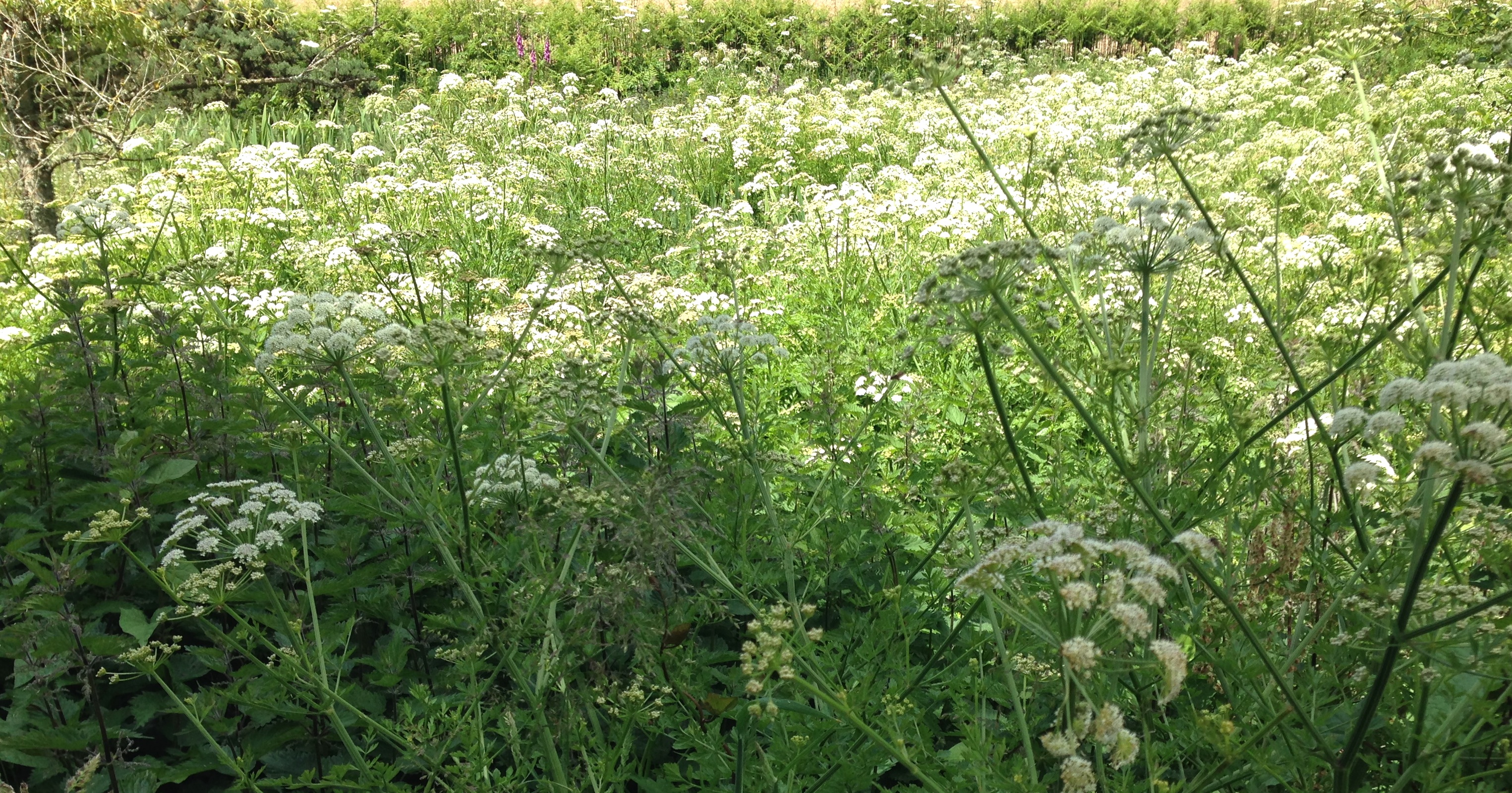
Now that we’re in the middle of ‘hay fever season’, you, or someone you know, may well be suffering from allergy to pollen – with symptoms like a runny nose, sneezing, and itchy eyes.
The NHS suggests various possible preventions, like wearing wrap-around sunglasses, or staying indoors when the pollen count is high, as well as drug therapies. But, since many people report they’re helped by plant remedies and nutritional therapy approaches, now seems a very good moment to have a look at a few.
First of all, a Nutritional Therapy approach to hay fever won’t necessarily focus on the nose and eyes! This is because Nutritional Therapy often has a ‘functional medicine‘ method: it looks at the body as a whole, and looks for root causes, which may well not be located in the nose and eyes.
So here are four possible ways to help with hay fever: removing ‘loads’, strengthening the intestines (yes!), using nettles, and eating honey.
Remove extra ‘loads’
Interestingly, hay fever can be made worse by the presence of other ‘stressors’ on the body, such as traffic pollution in the air. This may explain why hay fever is more common in towns than the country, despite towns having less pollen. However, since it’s not always possible to avoid city air pollution, we can focus on other ‘loads’, such as foods which are known to be quite difficult to digest, or which fuel inflammation. Anyone who’s had an appointment with me can guess what these foods are: wheat, milk products, sugar, caffeine and alcohol! If you were to choose just one to reduce, I might suggest sugar, because of the way it can reduce immunity and promote inflammation. Perhaps have a look at my previous post on sugar here.
Strengthen the intestines
Everything these days seems to be linked to the gut! But an increasing amount of scientific data suggests that beneficial bacteria in the gut are indeed important for preventing allergy. The mechanism by which these bacteria (or ‘microbiota’) affect us is not fully known, but it’s increasingly clear that disruption to the microbiota reduces immune tolerance. Some microbiota disruptors are antibiotics, a high-sugar or high-carbohydrate diet, the contraceptive pill, and prolonged stress.
The good news, however, is that probiotics can often go a good way to alleviating intestinal bacteria imbalances – and they can have a noticeable effect on allergies like hay fever. In 2009 a randomised, double-blind trial was conducted on 47 children with confirmed pollen allergies. It showed that a probiotic combination of Lactobacillus acidophilus and Bifidobacterium lactis altered the nasal mucus and reduced the symptoms of allergy for those who were put on the probiotics.
An easy way to take probiotics is via prepared pills like Optibac which you can buy at most pharmacies, or Bio-Kult, at health shops or online. A cheaper way to take them (and fun activity with children) is to make fermented foods like sauerkraut or kefir at home. I hope to post more on fermenting soon!
Try nettles
Near my Nutritional Therapy practice in Oxford, the word amongst visiting students with hay fever is to drink three cups of nettle tea daily! This has much anecdotal support, but in fact recent scientific research is also in favour. Compounds in nettles have been found to inhibit the inflammation related to allergic rhinitis, and their leaves, root and stems have been found to have strong anti-inflammatory properties.
Nettle tea can be made from the tops of nettle plants growing in safe, unpolluted areas, or using bought tea bags. The fresh tea is a bit like a zingy mint (it won’t sting your mouth!), and the tea bags have a smokier flavour.
Eat honey from the local area
One of the mainstream ways to combat allergy is through immunotherapy, where the body is ‘desensitised’ to an allergen by being exposed to tiny amounts of it. A similar idea is behind the anecdotal success of honey in reducing hay fever. Honey contains ‘heavy’, non-allergy-inducing grains of pollen which may help to desensitise the body to smaller, airbourne particles of pollen. You might try eating small amounts of unfiltered, local honey – or failing that, honey that’s been gathered in England – so that you’re exposed to local types of pollen.
Do let me know if you test any of these hay fever approaches and find they help.
I hope that these summer months will find you well and able to enjoy the outdoors to the full!
Emma Maitland-Carew, Nutritional Therapist in Oxford and Bloxham, Oxfordshire
Sources and further reading
Haahtela, T. et al., 2013. The biodiversity hypothesis and allergic disease: world allergy organization position statement. The World Allergy Organization Journal, 6(1), p.3.
Johnson, T.A. et al., 2013. Lipophilic stinging nettle extracts possess potent anti-inflammatory activity, are not cytotoxic and may be superior to traditional tinctures for treating inflammatory disorders. Phytomedicine : international journal of phytotherapy and phytopharmacology, 20(2), pp.143–147.
Noverr, M.C. & Huffnagle, G.B., 2005. The ‘microflora hypothesis’ of allergic diseases. Clinical and Experimental Allergy: Journal of the British Society for Allergy and Clinical Immunology, 35(12), pp.1511–1520.
Ouwehand, A.C. et al., 2009. Specific probiotics alleviate allergic rhinitis during the birch pollen season. World Journal of Gastroenterology, 15(26), pp.3261–3268.
Roschek, B. et al., 2009. Nettle extract (Urtica dioica) affects key receptors and enzymes associated with allergic rhinitis. Phytotherapy research: PTR, 23(7), pp.920–926.
http://breakspearmedical.com/treatments/hay-fever/
http://www.nhs.uk/conditions/Hay-fever/Pages/Introduction.aspx